Like Whitman, “I am large. I contain multitudes.” We all are. Each of us has a unique blend of characteristics acting like an array of colors on a palate then used to adorn the tiles that piece together the vibrant mosaic of the individual. The purples, yellows, and browns mingle and scintillate as the beauty of the creation of the artwork of character swells more so than in the banality of the colors themselves. This mosaic of character then becomes a singular tile to be placed in the greater artistry of society.
The result.

I wrote about my passion for individualism in P1 and expressed its leadership vision in terms of belief in others. Underlying the passion and leadership vision are the virtues of patience, compassion, and emotional intelligence, among others. But the most important virtue of all these is tolerance. Without tolerance, the individual is stifled. Uniqueness and originality must subscribe to whatever an authority will tolerate, and, as if working in reverse order, that authority rips apart the artwork tile by tile, destroying the mosaic and its beauty, leaving only the tawdry remnants of single colors.
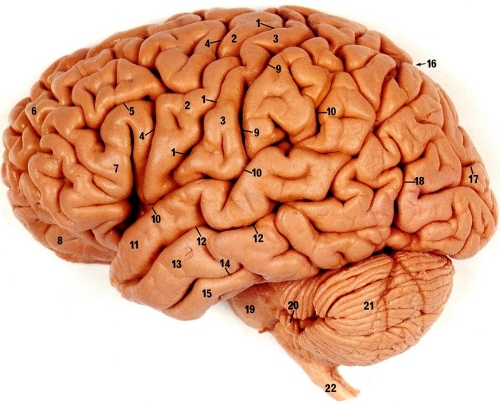
Far more mundane than the picture above.

With it, we can remove ourselves from the artwork that we create and observe the harmony of the spectrum of individuals, noting the areas of visual satisfaction and reveling in the splendor of imperfection. With an eye keen to acceptance and tolerant of all styles, mixtures, beliefs, and colors, the brilliance of the individual and the expression of my leadership vision can flourish.
I almost chose to write about tolerance in my P1. I am glad I did not because the more I unfold the vision of my projects, the more logical and real they become. I have always thought of myself as a person particularly tolerant of all types of people, beliefs, and lifestyles. I did grow up in an affluent neighborhood, and I did attend a predominantly white private school. Still, the student body was close to 40% “people of color,” according to the school’s website. I lived in a bubble, but I recognized that I did. Understanding was not something I lacked—rather, it was something preached to me. I grew up very tolerant of the idea of different types of people, but it was not until I came to UT that I had to practice this tolerance as exposure became the reality rather than that “idea.”
The “exposure” that I mention was not some sort of newfound physical contact with “people of color,” but rather a compression of my immediate needs and ideologies under the force of tens of thousands of new and different people on this campus. This is not to say my passion of individuality has collapsed due to this pressure, but I no longer assume that my idea or viewpoint is right. I used to stride with a mental grandiosity, imperial in the mind of Brian that I possessed some righteous image of reality compared to others. Now, I tiptoe in resolute affirmation of my self but with respectful deference to the 65,000 other worldviews that float in the heads of those on campus walking with me.
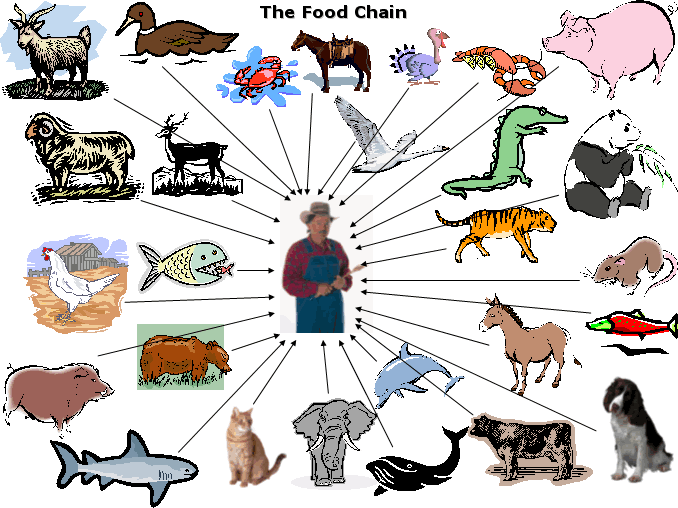
A perfect example of the need for tolerance is in this course, on the subject of animal rights. When we first began discussing the topic, I took it to be some sort of insult to my intelligence that we had to discuss the rights and feelings of lesser beings. I had a self-righteous opinion on the subject: that I would continue to eat meat and not care and everyone else should because that is the natural way for a species at the top of the food chain.
This was, sadly, my outlook on vegetarianism.

Since then, perturbed by the images of Earthlings and affected by the words of our in-class activists, I have become much more open to the subject. My practice of eating meat has not changed, but my view on the topic has. I think this is a perfect example of virtue that the framers of the university ethics requirement want to instill. Tolerance has allowed me to digest the opinions of others and synthesize useful concepts for myself, not only rounding my knowledge, but also deriving within me a higher standard of ethics for the treatment of animals.
In trying to create a new self, tolerance is synonymous with the willingness to accept facts and opinions. Open-mindedness, one might say. It is a practice that is vital to the liberal arts, as this type of education is one that builds not a particular skill or knowledge, but hammers into us a critical thought process of progressivism. Without an open mind, it is impossible to grasp the values of the liberal arts, and without tolerance, it is impossible to have that open mind. With a mind open and permeable to the infinite influences of our surroundings, tolerance leads not to a science of diffusion letting in only those facts that it wants to, but a permanent equilibrium with the knowledge and ethics of the world. So it is not just the ability to tolerate different opinions in a classroom that underlies the acceptance of each individual, but also the ability to tolerate lifestyles, religious beliefs, and worldviews.
Perhaps the most telling event regarding my capacity for tolerance is my rapidly developing relationship with one of my closest friends. He is my antithesis. Our lifestyles, hobbies, and academic interests intersect only at our similar tastes in music. He recycles everything possible and eats organic food. I stuff my face with processed chicken and discard most items into the garbage. Transcending political ideology, he is liberal, and I am conservative. But the most striking difference is that he is bisexual, and I am not.
His influence has shattered paradigms that I once considered to be indestructible bulwarks of my personality, constructed to weather the opposing viewpoints of my enemies and to endure the constant battering of idealism that I wanted no part in. I began sorting plastics and papers and removed bottle caps deemed unworthy of reuse. I have discovered a fondness of banana chips, vegetable crisps, and herbal teas. My perspective on relationships has changed from trying to entertain ad nauseam to showing concern for the well being of my friends. But my lifestyle has changed in these ways because I found them to be beneficial and healthy—I could tolerate these differences easily because they were viewpoints I could agree with and understand. Crossing the border of heterosexuality is not, however, something that I can relate to or want to change. This internal skirmish of coming face to face with a lifestyle that seems so foreign to me has been the greatest test of my tolerance. Bisexuality or homosexuality, unlike recycling, is not something that I can begin to practice because it is so remote from my personality. My struggle with this reality has not been difficult. Rather, it has been strange. I do not look down upon him with bigoted eyes, but I am squeamish when the subject comes up: it makes me uncomfortable. That lack of comfort is something that I must eliminate in order to rightfully practice the virtue of tolerance.
A leader is nothing without tolerance. At some point it might seem easiest for leaders to look upon their subjects with a disdainful apathy toward their differences, but those differences are the base colors that create our mosaic. Tolerance is not about ignorance of differences but about celebration of them. The spectrum worldviews occur throughout humanity because of unique life experiences that effect only individuals. Intolerance of these stifles the potential for beauty when every individual casts his or her unique shade on the greater artistry of society.
For my future as a leader, I plan to advance my capacity for tolerance, just as I do everyday confronting the nature of the different people around me—particularly for that of sexuality. Because I cannot feel the same emotions or think in the same paradigm as another does not mean I cannot tolerate the opinions and ideas stemming from those differences. I have found the practice of tolerance to be a battle against the self, perhaps one that muffles the cacophony of my individual against another but creates out of every unique characteristic a series of lyrics that hums in a harmony more beautiful than any note alone. The catch, however, is that every note must be its own, and not a mimicry of another, in order to advance the passion of the individual that spawns this need for tolerance.
Word Count: 1418